5 tips for preventing mold after water damage in San Marino
Learn effective strategies for preventing mold after water damage in San Marino and safeguard your home from further issues.
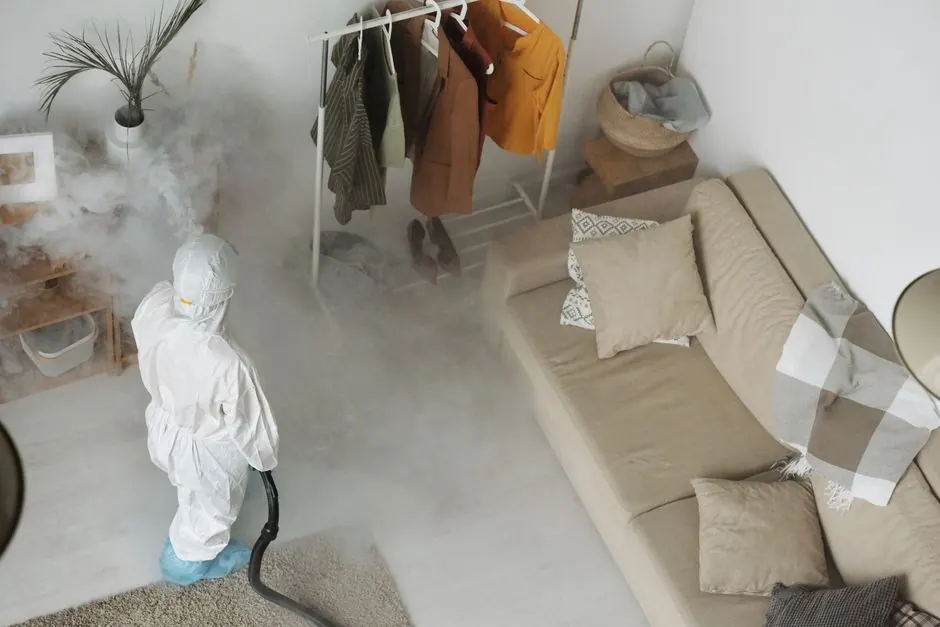
Preventing mold after water damage in San Marino is essential to protect your home and health. Mold can start growing within 24 to 48 hours after water exposure, making quick action critical. This article provides five effective tips to help you prevent mold growth after water damage, ensuring your home remains safe and healthy.
Mold prevention strategies for San Marino homes are particularly important due to the region's warm climate, which can encourage mold growth. Mold can pose serious health risks, especially for individuals with allergies or respiratory issues. Understanding how to stop mold after water damage can save you time, money, and stress in the long run.
Why Preventing Mold After Water Damage is Crucial
Preventing mold after water damage is crucial because mold can lead to significant health issues and structural damage. Mold spores thrive in damp environments, and if left untreated, they can spread quickly throughout your home. In San Marino, where humidity levels can fluctuate, taking mold prevention seriously is essential for maintaining a healthy living environment.
Tip 1: Act Quickly After Water Damage
Taking immediate action after water damage is one of the most effective mold prevention tips for water damage in San Marino. The faster you address the issue, the less likely mold will have a chance to establish itself. If you experience a leak, flood, or any water intrusion, follow these steps:
- Turn off the water supply to prevent further damage.
- Remove standing water using pumps or buckets.
- Dry the affected area thoroughly.
For extensive water damage, consider contacting Emergency Water Damage Restoration in San Marino to ensure a professional assessment and rapid response.
Tip 2: Ensure Proper Ventilation
Proper ventilation is vital in preventing mold growth after water damage. Ensuring that air can circulate freely helps to dry out damp areas and reduces humidity levels. Here are some ways to improve ventilation in your home:
- Open windows and doors when possible to allow fresh air in.
- Use exhaust fans in bathrooms and kitchens to expel moisture.
- Consider installing vents in areas prone to moisture accumulation.
In older homes in San Marino, where ventilation may be inadequate, upgrading your ventilation system can significantly impact mold prevention.
Tip 3: Use Dehumidifiers
Using dehumidifiers is an effective way to control humidity levels, especially in areas prone to moisture buildup. A dehumidifier can help maintain indoor humidity levels between 30% and 50%, which is optimal for mold prevention. Regularly empty the water reservoir and clean the unit to ensure it operates efficiently.
If you experience persistent moisture issues, consider consulting with professionals for Structural Drying and Dehumidification in San Marino to address the underlying causes of excess humidity.
Tip 4: Clean and Dry Affected Areas
Cleaning and drying areas affected by water damage is crucial in preventing mold growth. After addressing any standing water, ensure that all surfaces are thoroughly dried. Use the following methods:
- Wipe down surfaces with a mixture of water and detergent.
- Use a vacuum cleaner equipped with a HEPA filter to remove mold spores.
- Dispose of any porous materials that cannot be thoroughly cleaned, such as carpets or drywall.
For extensive mold issues, consider professional Mold Remediation in San Marino to ensure complete removal and prevent recurrence.
Tip 5: Monitor Humidity Levels
Regularly monitoring humidity levels in your home can help you catch potential mold problems before they escalate. Invest in a hygrometer to measure indoor humidity, and take action if levels exceed 50%. Maintaining consistent humidity levels can significantly reduce the risk of mold development.
Common Mistakes to Avoid
When trying to prevent mold after water damage, homeowners often make several common mistakes:
- Ignoring small leaks or moisture issues that can lead to larger problems.
- Using fans without proper ventilation, which can spread mold spores.
- Neglecting to check hidden areas, such as behind walls or under flooring, for moisture.
Being aware of these pitfalls can help you take proactive steps to safeguard your home from mold.
When to Call a Professional
If you experience significant water damage or mold growth, it's essential to call in professionals. The San Marino Water Damage Experts provide comprehensive services for water damage restoration and mold remediation. Their expertise can ensure your home is safe and free from mold.
Frequently Asked Questions
What can I do to prevent mold after water damage in San Marino? You can prevent mold by acting quickly to remove water, ensuring proper ventilation, using dehumidifiers, and cleaning affected areas thoroughly.
How quickly should I act to prevent mold growth? You should act within 24 to 48 hours after water exposure to prevent mold growth effectively.
What are the signs of mold after water damage? Signs of mold include a musty odor, visible mold growth, and discoloration on walls or ceilings.
Get help with Water Damage Restoration in San Marino
If you need assistance with water damage restoration, contact San Marino Water Damage Experts. Their team is ready to help you restore your home and prevent mold growth.